
The Internet of Things (IoT) is transforming phone communications in West Virginia, offering benefits like improved connectivity, efficient operations, and remote healthcare. However, IoT devices also facilitate spam calls, leading to consumer complaints and privacy issues. To combat this, West Virginia's Attorney General's Office educates residents on device security. Telecom providers must invest in advanced call blocking systems, and industry collaborations are vital for standardized security protocols. Unwanted call attorneys play a crucial role in protecting consumers from IoT-enabled scams, advocating for stronger anti-spam laws, and leveraging AI for effective mitigation. 5G network integration will further enhance these protections, ensuring West Virginia maintains a secure and efficient communication future.
The integration of the Internet of Things (IoT) has fundamentally altered communication dynamics, with significant implications for phone communications across industries. In West Virginia, where unwanted call attorneys are a common concern, IoT's impact is both transformative and challenging. As IoT devices proliferate, from smart homes to industrial sensors, they introduce new vectors for spam calls and privacy breaches. This article delves into the intricate relationship between IoT and phone communications in West Virginia, exploring strategies to mitigate unwanted calls while leveraging the benefits of this technological revolution. We aim to provide valuable insights for businesses and individuals navigating these evolving dynamics.
IoT Integration: Transforming Phone Communications in WV

The integration of the Internet of Things (IoT) is transforming phone communications across West Virginia, presenting both opportunities and challenges for residents and businesses alike. As IoT devices become increasingly prevalent, from smart home systems to industrial sensors, they generate vast amounts of data that can be leveraged to enhance communication services. For instance, telemedicine applications powered by IoT enable remote health monitoring, allowing patients in rural areas of West Virginia to access specialized care without the need for long-distance travel. This not only improves healthcare accessibility but also reduces unnecessary phone calls to emergency services, as basic health checks can be conducted remotely.
However, this technological evolution introduces new complexities, particularly in managing unwanted call attorneys West Virginia has witnessed a surge in consumer complaints related to spam calls from IoT-enabled devices. Smart home devices, when compromised, can inadvertently become tools for telemarketers and scammers, leading to intrusive and nuisance calls. For instance, a broken security camera or a hacked smart speaker could relay phone numbers to unknown parties, exacerbating the problem of unwanted communications. To mitigate this, West Virginia's Attorney General's Office has been proactive in educating consumers about securing their IoT devices through strong passwords and regular updates, emphasizing that cybersecurity is a shared responsibility.
Given the rapid pace of IoT adoption, telecommunications providers must invest in sophisticated call routing and blocking systems to address these issues effectively. Implementing advanced algorithms and machine learning techniques can help identify and filter out spam calls originating from IoT sources. Furthermore, industry collaborations and standardized protocols for device security can ensure that West Virginia stays ahead of emerging threats. By embracing IoT while prioritizing consumer protection, the state can harness the full potential of connected devices, ensuring a seamless and secure communication experience for all.
Benefits: Enhanced Connectivity for West Virginia Residents

The Internet of Things (IoT) is transforming phone communications across West Virginia, offering unprecedented benefits to residents. One of the most significant advantages is enhanced connectivity, which has profound implications for both personal and professional lives. IoT devices, from smart home hubs to industrial sensors, create a network that improves communication infrastructure. For instance, smart routers and gateways can optimize signal strength and data transfer rates, ensuring consistent connectivity even in rural areas. This advancement is particularly beneficial for unwanted call attorneys West Virginia, who can now leverage real-time data to better serve their clients.
With IoT, residents enjoy improved access to essential services. Smart meters, for example, enable utility companies to provide more accurate billing and demand response programs, leading to cost savings for consumers. Similarly, connected healthcare devices allow remote monitoring of patients' vital signs, improving care management. In the context of phone communications, this translates to reduced drop calls and improved call quality, fostering seamless interactions. Moreover, IoT enables the development of location-based services, which can enhance emergency response times by providing first responders with precise real-time data.
The benefits extend beyond individual users; businesses across West Virginia also stand to gain. Enhanced connectivity facilitated by IoT enables more efficient operations and improved customer experiences. Smart offices equipped with IoT technology can automate various tasks, from lighting control to access management, reducing operational costs. In the telecommunications sector, network operators can use IoT sensors to monitor infrastructure health, predict maintenance needs, and optimize network performance. By embracing these innovations, West Virginia is poised to create a more connected, efficient, and responsive community for its residents, including those served by unwanted call attorneys.
Challenges: Unwanted Calls and Legal Implications
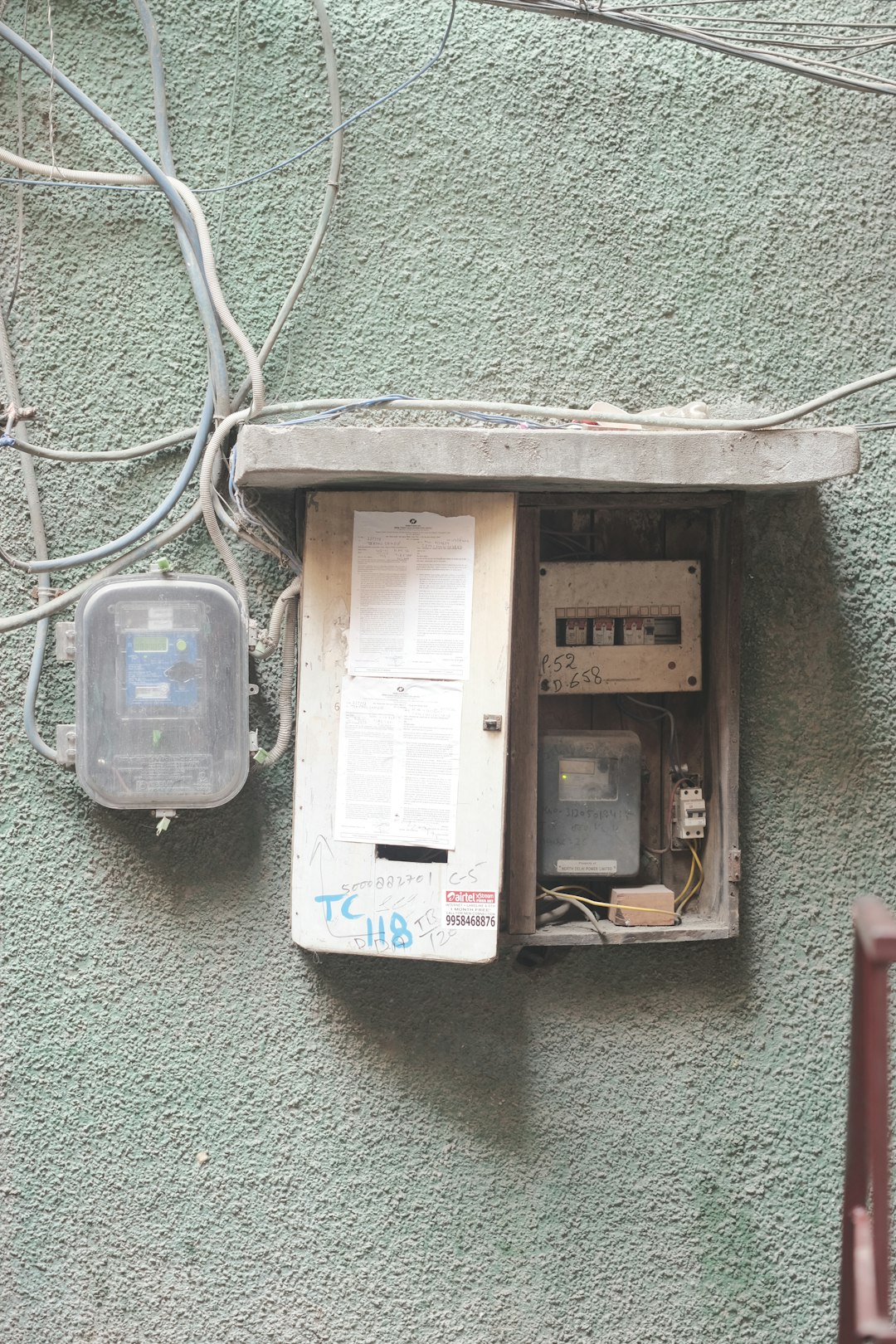
The integration of the Internet of Things (IoT) has significantly transformed phone communications across West Virginia, presenting both opportunities and challenges. One notable area of concern is the surge in unwanted calls, impacting individuals and businesses alike. With the proliferation of IoT devices, hackers have found novel ways to exploit phone systems, leading to a flood of spam calls that are difficult to regulate. These unauthorized calls not only disrupt daily life but also carry legal implications, particularly regarding privacy rights and consumer protection.
West Virginia residents often find themselves on do-not-call lists without their consent due to the sheer volume of automated calls originating from IoT-connected devices. Unwanted call attorneys in West Virginia have witnessed a corresponding rise in cases involving telemarketing fraud, robocalls, and unsolicited text messages. The challenge lies in identifying the source of these calls—a complex task given that IoT devices can be compromised and used without explicit authorization. Legal experts suggest stricter regulations and improved security measures to combat this issue.
Practical solutions include educating consumers on privacy settings for IoT devices, encouraging manufacturers to implement robust security protocols, and empowering individuals with legal recourse against persistent unwanted callers. West Virginia's legal framework plays a pivotal role in addressing these challenges. Unwanted call attorneys can guide victims through filing complaints, seeking damages, and advocating for stricter enforcement of anti-spam laws. By combining technological awareness, legal expertise, and proactive measures, West Virginians can navigate this digital landscape while mitigating the adverse effects of unwanted calls.
Regulatory Framework: Protecting Consumers from Scams

The rapid growth of the Internet of Things (IoT) has significantly transformed phone communications across the globe, including West Virginia. As more devices become connected, from smart home appliances to wearable technology, regulatory frameworks must adapt to protect consumers from potential scams and abuse. In West Virginia, where unwanted call attorneys have long been a concern, the integration of IoT necessitates heightened vigilance. Unwanted marketing calls, often disguised as legitimate communications, can exploit vulnerabilities introduced by IoT devices, such as voice over internet protocol (VoIP) systems that lack robust security measures.
Regulatory bodies in West Virginia are responding with updated laws and guidelines to keep pace with this evolving landscape. The state's consumer protection agency actively monitors and enforces regulations targeting unwanted calls, empowering residents to take action against persistent telemarketing scams. For instance, consumers can register their phone numbers on the national "Do Not Call" registry, which prohibits most commercial calls from unknown or unregistered sources. Additionally, West Virginia's Attorney General's Office offers guidance and resources for citizens to understand their rights and report abusive calling practices.
To safeguard against IoT-enabled scams, consumers should take proactive measures. This includes implementing strong passwords on all connected devices, enabling encryption where available, and staying informed about emerging threats. Collaborating with telecom providers and utilizing advanced call blocking technologies can also mitigate the risk of unwanted calls. By combining regulatory oversight, consumer education, and technological advancements, West Virginia aims to create a more secure phone communication environment, ensuring residents are protected from scams in this digital age.
Future Prospects: Smart Communication Solutions in WV

The Internet of Things (IoT) is poised to fundamentally transform phone communications across West Virginia, offering unprecedented opportunities for innovation while presenting unique challenges. As the state embarks on this digital evolution, smart communication solutions will become a cornerstone of its future telecommunications landscape. This shift is particularly evident in the realm of unwanted call attorneys West Virginia, where advanced IoT technologies can enhance both consumer protection and business practices.
One promising application involves leveraging IoT sensors and data analytics to detect and filter out spam calls more effectively. For instance, smart home devices equipped with AI-driven voice recognition could automatically block known fraudulent callers, providing residents with a layer of digital security. Moreover, businesses in West Virginia can employ IoT-enabled call routing systems that direct incoming calls to the most appropriate departments or personnel, reducing wait times and improving customer satisfaction.
Looking ahead, the integration of 5G networks will further propel these advancements. With faster data speeds and reduced latency, real-time communication analytics will become feasible, enabling dynamic call routing and enhanced security measures. Unwanted call attorneys West Virginia can capitalize on this by developing proactive strategies that leverage IoT data to identify emerging trends in spamming patterns, ensuring their clients stay ahead of the curve. Ultimately, the future of phone communications in West Virginia looks intelligent, efficient, and robust, thanks to the synergistic effects of IoT and innovative communication solutions.