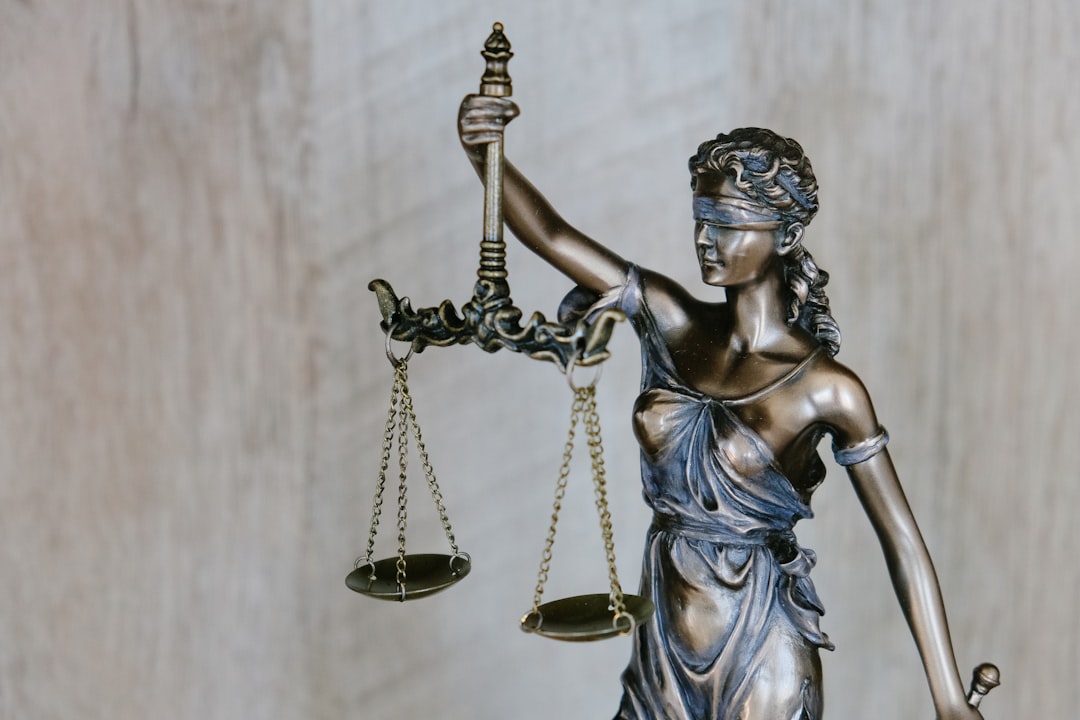
Unwanted Calls: Navigating the Legal Landscape in West Virginia
Introduction
In the modern era, the proliferation of unwanted calls has become a pervasive issue, affecting individuals and businesses alike. In West Virginia, as across the United States, the rise of robocalls and telemarketing spam has prompted both legal action and technological innovation. This comprehensive article delves into the complex world of unwanted call legislation, its economic implications, technological advancements, policy frameworks, and future prospects. Readers will gain a deep understanding of how West Virginia is tackling this issue, the challenges involved, and the strategies that are proving effective in curbing unwanted calls.
Understanding Unwanted Call Lawyer in West Virginia
In West Virginia, as in other states, "unwanted call lawyer" refers to legal professionals who specialize in representing clients affected by telemarketing fraud, robocalls, and other forms of invasive or illegal calling practices. These attorneys are versed in the Telephone Consumer Protection Act (TCPA) and similar state laws that provide consumers with protection against these calls. They work to ensure that individuals' rights are upheld and that those responsible for unwanted calls are held accountable.
Global Impact and Trends
The issue of unwanted calls is not confined to West Virginia or even the United States; it is a global concern. The rise of sophisticated call centers, often located in countries with less stringent regulations, has exacerbated the problem. International collaboration on policies and technologies is essential to address this challenge effectively. Trends such as the increasing use of artificial intelligence (AI) in generating calls and the escalation of scam operations highlight the need for robust legal frameworks and advanced detection systems.
Economic Considerations
The economic impact of unwanted calls extends from direct financial losses to consumers, to the costs associated with developing anti-fraud technologies. The call blocking industry has seen significant growth, with companies investing heavily in AI and machine learning to filter out illegal or unwanted calls. These investments not only protect consumers but also support the economy by creating jobs in tech sectors. Moreover, the legal profession in West Virginia has seen a rise in demand for specialized attorneys, contributing positively to the state's economy.
Technological Advancements
The battle against unwanted calls is increasingly being fought on the technological front. Innovations such as call-blocking apps and robotic process automation (RPA) are becoming more sophisticated, capable of identifying and blocking fraudulent calls in real-time. The development of these technologies is critical to staying ahead of scammers who continuously evolve their tactics. Future advancements may include biometric verification systems and secure communication protocols that further protect consumers from unwanted calls.
Policy and Regulation
The regulatory landscape for combating unwanted calls is complex, involving federal and state laws such as the TCPA and West Virginia's own Consumer Protection Act. These laws set clear guidelines for what constitutes an illegal call and provide a framework for legal recourse for those affected by such calls. At the federal level, the FCC plays a pivotal role in shaping policies that govern telecommunications practices. In West Virginia, state attorneys general have taken proactive steps to address the issue through enforcement actions and public education campaigns.
Challenges and Criticisms
Despite advancements and regulatory efforts, challenges persist. One of the most significant is the ever-evolving nature of scam operations, which often find ways to circumvent legal and technological barriers. Consumer education remains a critical front, as many still fall victim to sophisticated scams. Solutions to these challenges include stronger cross-border cooperation, improved data sharing among service providers, and more rigorous enforcement of existing laws.
Case Studies
Several case studies illustrate the successful application of legal and technological measures in combating unwanted calls. For instance, a class-action lawsuit in West Virginia led to a significant settlement for consumers who had been victims of illegal robocalls. Additionally, a local telecom company's development of an innovative call-blocking system has resulted in a marked reduction of unwanted calls for its subscribers. These cases provide valuable insights into effective strategies for addressing the issue.
Future Prospects
The future of unwanted call legislation and mitigation in West Virginia and beyond is promising, with potential growth areas such as blockchain technology offering new ways to secure communications. Emerging trends suggest a continued emphasis on consumer protection and the development of more sophisticated tools to detect and prevent illegal calls. Strategic considerations include fostering partnerships between government agencies, tech companies, and legal professionals to create a comprehensive approach to combating unwanted calls.
Conclusion
Unwanted call legislation in West Virginia is a critical component of consumer protection and a testament to the state's commitment to its residents' well-being. This article has explored the multifaceted nature of this issue, from legal challenges to technological innovations, and has highlighted the importance of ongoing collaboration among stakeholders. As we move forward, it is clear that a combination of stringent policies, cutting-edge technology, and vigilant consumer behavior will be essential in safeguarding against unwanted calls.
FAQs
-
What laws protect consumers from unwanted calls in West Virginia?
West Virginia consumers are protected by the Telephone Consumer Protection Act (TCPA) at the federal level and the West Virginia Consumer Protection Act at the state level.
-
How can I report unwanted or illegal calls in West Virginia?
You can report unwanted or illegal calls to the Federal Communications Commission (FCC), your state attorney general, or local consumer protection agencies.
-
What technologies are available to block unwanted calls?
A variety of call-blocking apps and devices are available, which use databases of known scammers, recognize patterns of spam calls, or allow users to report and block numbers individually.
-
Can I sue if I receive unwanted calls?
If you have received unwanted calls that violate the TCPA or similar state laws, you may be able to join a class-action lawsuit or pursue individual legal action, often with the assistance of a specialized attorney.
-
Are there any new technologies on the horizon for combating unwanted calls?
Yes, emerging technologies such as AI, biometric verification systems, and secure communication protocols are being developed to enhance protection against unwanted calls. Blockchain technology is also being explored for its potential to secure communications and prevent unauthorized access or call spoofing.
December 19, 2025
Unwanted Call Lawyer West Virginia Expert
The Internet of Things (IoT) is transforming phone communications in West Virginia, offering benefits like improved connectivity, efficient operations, and remote healthcare. However, IoT devices also facilitate spam calls, leading to consumer complaints and privacy issues. To combat this, West Virg.......
Read more →
December 16, 2025
Unwanted Call Lawyer West Virginia Expert
West Virginia residents enjoy phone privacy protections through state laws like the Unwanted Call Law and the West Virginia Privacy Act. They can register on the National "Do Not Call" Registry and file complaints against unwanted calls with regulatory bodies. Legal support from unwanted c.......
Read more →
December 14, 2025
Unwanted Call Lawyer West Virginia Expert
In West Virginia, Telephone Consumer Protection Act (TCPA) regulations restrict intrusive phone marketing, with "do not call" registries and consent requirements. Martinsburg sees an increase in TCPA disputes involving political campaigns, debt collectors, and telemarketers. Unwanted call.......
Read more →
December 13, 2025
Unwanted Call Lawyer West Virginia Expert
Growing concerns over unwanted telemarketing calls underscore the importance of knowing consumer rights in West Virginia, with the Telephone Consumer Protection Act (TCPA) and West Virginia Consumer Sales Practices Act (WCSPA) offering protections. Unwanted call lawyers West Virginia specialize in n.......
Read more →
December 12, 2025
Unwanted Call Lawyer West Virginia Expert
Morgantown residents can combat unwanted telemarketing calls through West Virginia's Unwanted Call Law firms, which protect consumers under TCPA. Key strategies include registering on the national "Do Not Call" registry, using call blocking apps, leaving clear disinterest messages, an.......
Read more →
December 12, 2025
Unwanted Call Lawyer West Virginia Expert
Biometric authentication revolutionizes security for Fairmont hotels and law firms in West Virginia (Unwanted Call Law Firm WV) by preventing identity theft and unauthorized access to sensitive data through advanced call screening. This technology uses unique physical traits like fingerprints or fac.......
Read more →
December 12, 2025
Unwanted Call Lawyer West Virginia Expert
West Virginia's strict "do not call" laws protect residents from intrusive telemarketing. Businesses must comply with regulations covering sales, promotions, and surveys, even after opt-out requests. Key takeaways include:- Record Keeping: Over 80% of complaints involve poor record ma.......
Read more →
December 12, 2025
Unwanted Call Lawyer West Virginia Expert
Martinsburg, West Virginia, has implemented blockchain technology to manage call consent records for unwanted call lawyers, offering a secure, decentralized solution. Blockchain ensures tamper-proof data, enhances privacy, and streamlines processes, reducing legal battles and costs. This initiative.......
Read more →
December 12, 2025
Unwanted Call Lawyer West Virginia Expert
West Virginia residents are protected from unfair debt collection practices by both state and federal laws, including the Fair Debt Collection Practices Act (FDCPA) and the TCPA. If facing unwanted calls, document interactions and consult an unwanted call attorney WV to assert rights, file complaint.......
Read more →
December 11, 2025
Unwanted Call Lawyer West Virginia Expert
Spam calls from unwanted call attorney WV significantly hinder productivity and work environment in Martinsburg workplaces, causing mental fatigue and decreasing concentration. To combat this issue, employers should implement advanced call filtering, employee training, company-wide do-not-disturb mo.......
Read more →